
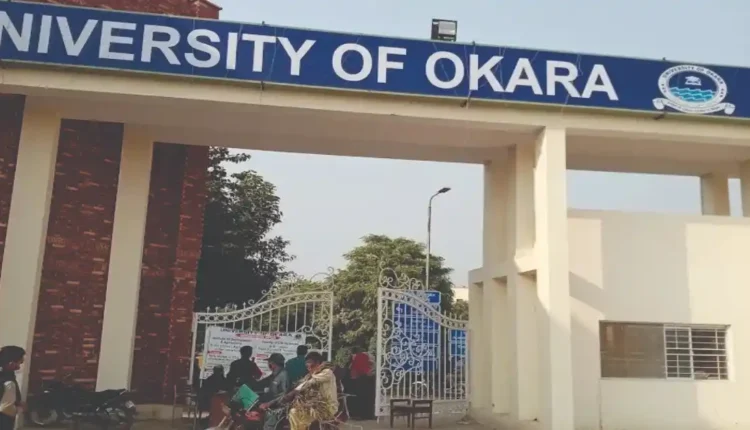
OKARA: The University of Okara (UO) and the National Vocational and Technical Training Commission (NAVTTC) have officially signed a Memorandum of Understanding (MoU) to collaborate on technical and vocational training. This strategic partnership aims to empower the youth by equipping them with high-demand market skills, fostering economic independence across the region.
Key Highlights of the Agreement
The collaboration focuses on transforming educational resources into practical career pathways:
Training Hub: Under this agreement, the university’s Skill Development Centre (SDC) will serve as a formal training institute.
Prime Minister’s Youth Program: The training sessions will be conducted under the umbrella of the Prime Minister’s Youth Skill Development Program.
Core Objectives: The primary goal is to enhance Technical and Vocational Education and Training (TVET) opportunities, directly creating avenues for both traditional employment and self-employment for young graduates.
Roles and Responsibilities
As the country’s premier regulatory body for technical training, NAVTTC will oversee the implementation of the program, ensuring all courses meet national standards and policy frameworks.
The University of Okara will be responsible for the hands-on delivery of these programs. Through its Skill Development Centre, the university will provide high-quality instruction in strict accordance with the guidelines and benchmarks set by NAVTTC.
Distinguished Guests at the Signing Ceremony
The ceremony was attended by key leadership figures from both institutions:
| Name | Designation |
| Prof. Dr. Sajid Mubashir | Vice Chancellor, University of Okara |
| Ms. Asifa Maqbool | Director General, NAVTTC |
| Dr. Ekaterina Gavrishyk | Director of External Linkages, University of Okara |
“This partnership marks a significant step toward bridging the gap between academia and the industrial workforce, ensuring our students are not just degree holders, but skilled professionals ready for the global market.”